
OpenAI has finally introduced the advertising model it had described for years as a "last resort." ChatGPT began serving ads to users on the Free and Go plans in the United States on February 9, 2026. This marks the first time paid placements have been integrated at this scale into the responses of an AI assistant. The ads do not look like the blue links seen in traditional search engines; instead, they appear as sponsored cards directly below the response, based on the context of the conversation the user is currently having.
This change has major implications for businesses. People can now encounter brands directly within the flow of a conversation while researching products, making comparisons, or trying to reach a decision. On a platform receiving 2.5 billion prompts per day, this is a development significant enough to reshape the direction of digital marketing. Below, we explain step by step how ChatGPT ads work, who sees them, how much they cost, and how your brand should prepare.
What Exactly Are ChatGPT Ads and What Do They Look Like?
A ChatGPT ad is a clearly labeled sponsored card that appears below the assistant's response when the topic of the user's question matches an advertiser's targeting. In other words, it is not a banner that suddenly appears on the screen or a pop-up that interrupts the conversation. After you finish reading the response, you see a simple box that looks like a relevant recommendation and carries a "Sponsored" label.
The structure of this card is fairly standardized. The only documented ad format today is called "chat_card"; it includes a headline of 3-50 characters, up to 100 characters of text, an image, a favicon, and a destination URL. For now, video, carousel, and interactive formats are not available on the self-service side, although OpenAI has signaled that more formats are coming. This simplicity is actually a deliberate choice, because the goal is to provide a placement that can sit naturally within the flow without disrupting the user experience.
The most critical point is this: ads do not change the response itself. OpenAI clearly states that ads do not influence ChatGPT's answers; users can dismiss ads, see why an ad was shown, clear their ad interaction history, and manage personalization settings at any time. This distinction matters because if trust in the assistant's neutrality is damaged, the entire value of the platform is undermined. OpenAI is aware of this and has drawn a clear line between ads and responses. If you want to refresh the basics of what advertising is and how it generally works, our article on what advertising is and how to advertise is a good place to start.
Who Sees Ads and Who Does Not?
One of the most frequently asked questions about this system is whether ads are shown to everyone. The answer is clear: no. Ad inventory is limited to certain user groups, and this directly determines the audience advertisers can reach.
Ads are shown only to users on the Free plan and the lower-cost Go plan. Users with Plus, Pro, Team, Business, and Enterprise subscriptions do not see any ads. In other words, higher-tier users who pay a monthly fee continue to have a completely ad-free experience. To make the picture clearer, it is useful to list who sees what:
- Free plan users: See ads. This is where the broadest advertising inventory exists.
- ChatGPT Go users: Sponsored cards are also shown on this lower-priced monthly plan.
- Plus and Pro subscribers: Ad-free experience. This is one of the benefits of a paid membership.
- Business, Enterprise, and Education accounts: Business users do not encounter ads.
- Users under 18: No ads are shown to minors.
Another important limitation is topic-based. Ads are not shown in sensitive or regulated categories such as health, politics, and mental health. This means some industries cannot use this channel, at least for now. When planning campaigns, you need to evaluate in advance which plan your target audience uses and whether your topic is affected by these restrictions.
How Are Ads Targeted? Is the Keyword Era Ending?
For those accustomed to Google Ads or traditional search advertising, ChatGPT's targeting logic may feel unfamiliar at first. That is because there is no list of keywords to buy here. The system is built on a completely different logic, one that is directly connected to the nature of artificial intelligence.
Instead of traditional keyword targeting, the platform uses contextual matching based on the current conversation topic, past chat history, and previous ad interactions. In other words, you define where your ad should appear not by saying "people who search for this word," but by saying "people having this type of conversation." Advertisers enter free-text contextual cues describing the conversations relevant to their product, and the system uses those cues for matching.
This approach also reverses traditional habits around ad copy. The relevance model evaluates the contextual cues and the card copy together; an ad that reflects the user's actual situation scores higher than a generic ad that could fit beneath almost any conversation. In short, creating specific, situation-based creative content effectively becomes the targeting itself. The old habit of writing three broadly applicable strong ads and leaving the rest to the machine does not work very well on this platform.
Other signals are also considered during matching. Conversation intent, landing page, headline, ad copy, and targeting settings all affect delivery. This makes ChatGPT ads particularly interesting for categories in which people tend to explain their needs in detail before making a decision. Software, travel, e-commerce, and products that require comparison are natural examples. To better understand how different this contextual logic is from traditional search, you can also review our article on what a search engine is and what it does.
How Much Do ChatGPT Ads Cost?
Cost is the first question asked by nearly every business considering this channel. The good news is that the enormous initial barrier to entry is gone. The bad news is that there are still no mature, reliable benchmarks. Pricing changed substantially in the first few months and is still evolving.
The situation was very different at launch. ChatGPT ads opened in February 2026 with a $60 CPM and a minimum spend requirement of $200,000; by May 5, 2026, OpenAI had removed the minimum spend requirement entirely and CPMs had fallen to around $25. This transformed the market from a space open only to large-budget advertisers into one that smaller businesses could also test. Today, pricing is determined through an auction model, so it is not possible to give a single fixed figure.
The current model can be summarized in a few points:
- Three billing models: CPM for impressions, CPC for valid clicks, and conversion-focused oCPC/oCPM campaigns are supported.
- Recommended starting bid: OpenAI recommends a maximum CPC bid of approximately $3-5 for click campaigns.
- Minimum daily budget: For accounts billed in US dollars, the minimum daily budget is $25.
- CPM range: OpenAI typically refers to a CPM range of $15-60.
- Auction structure: All models operate through a relevance-weighted second-price auction; in other words, the bid is not the only input, and the relevance of the ad and landing page also affects ranking.
There is one important reality to underline here: OpenAI does not publish official benchmark data, and early figures are both unofficial and inconsistent with one another. Click-through rates appear to trend below paid search because users often continue the conversation instead of clicking. When deciding how much budget to allocate to this new channel, the industry-specific examples in our article on how to determine a marketing budget may be useful.
How Are Ads Managed? Ads Manager and Campaign Structure
OpenAI has transformed its advertising system from a model operated only with large agencies into a self-service platform accessible to everyone. This transition happened surprisingly quickly. The move from an invitation-only enterprise pilot to open self-service took just 86 days. For anyone who has used Google Ads or Meta Ads, the interface logic will feel very familiar.
The campaign structure follows a familiar hierarchy. It progresses through campaign, ad group, and ad levels; one of the objectives—Clicks (CPC), Reach (CPM), or Conversions—is selected, followed by location, budget, and maximum bid. At the campaign level, the objective, budget, campaign period, markets, and, when necessary, the conversion event are defined. Up to this point, it is not very different from conventional performance marketing.
The real differentiation begins at the ad group level. Because there are no keywords to purchase, each ad group receives a free-text cue describing the conversations in which the ad is relevant. The ad itself is quite simple: a headline of up to 50 characters, a description of up to 100 characters, a square image of at least 256 x 256 pixels, and a destination URL. Measurement capabilities are also becoming more sophisticated. OpenAI has moved beyond CPM and CPC bidding by introducing conversion optimization, geographic targeting, and custom audiences; with OpenAI Pixel, Conversions API, and third-party measurement integrations, measurement now extends beyond clicks. You should also avoid overlooking conversion rate optimization when improving the conversion performance of the landing pages your ads lead to.
In Which Countries Are ChatGPT Ads Active? Is Türkiye Included?
Geographic availability may be the most decisive issue for Türkiye-based businesses that want to use this channel. No matter how powerful the platform is, you cannot launch a campaign if the country in which your account is billed is not on the supported list. That is why reading the current rollout map correctly is critical.
Ads initially launched only in the United States, followed by rapid international expansion. As of August 11, 2026, ChatGPT Ads had launched in the United Kingdom, Mexico, Brazil, Japan, and South Korea. Europe followed shortly afterward. Beginning August 24, 2026, ChatGPT ads started being shown to users in 31 European countries, and on August 31, 2026, the self-service Ads Manager became available to businesses across Europe. During the same period, the platform also crossed a significant commercial milestone. Less than 200 days after launch, ChatGPT Ads reached a $1 billion annualized revenue run rate, and advertisers in India, Europe, the Middle East, and North Africa were able to purchase ads directly through Ads Manager.
For Türkiye, the situation needs to be stated clearly. As of today, the officially targetable markets primarily include the United States, the United Kingdom, Canada, Australia, New Zealand, Japan, South Korea, and 31 European countries. The advertiser and the billed legal entity must be registered in one of the listed countries, and the account goes through a verification process before the first campaign. Because Türkiye is not currently listed explicitly, it is limited for a Türkiye-based business to open an account directly. However, considering the speed of expansion achieved within six months, it appears possible that coverage will expand further in the coming period. Preparing now means being able to move quickly when access opens. To build a holistic visibility strategy in the age of artificial intelligence, you can review our artificial intelligence consulting service.
How Should Your Brand Prepare for the ChatGPT Advertising Era?
Even if this channel has not yet opened for direct access in Türkiye, starting preparations now is a sensible move. The rules of being visible inside AI assistants work differently from traditional SEO and advertising. Brands that act early can gain a meaningful advantage as the channel matures.
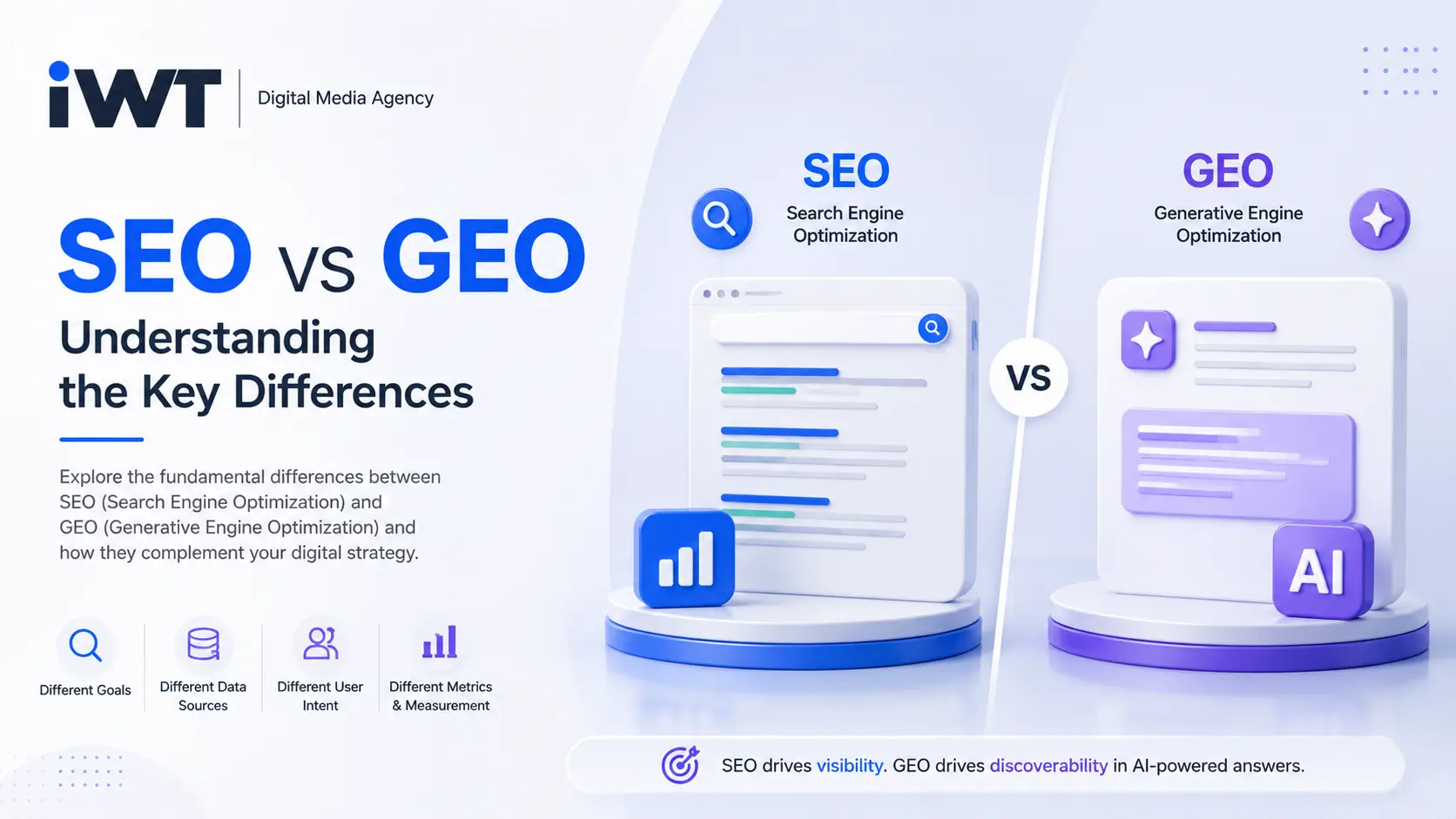
The first thing you should do is assess your organic visibility. Before advertising, you need to understand in which conversations ChatGPT already mentions your brand and whether competitors are purchasing paid placements for your category queries. The methods for gaining organic visibility in AI models differ from traditional search engine optimization. We discuss this distinction in detail in our article on the differences between SEO and GEO.
The second priority is the quality of your content and landing pages. Since the system also considers the relevance between the ad and the landing page when ranking ads, the destination page must align with the intent of the conversation. An ad that directs users to a generic homepage will perform much more weakly than one that leads to a page offering a specific solution to a specific question. The impact of content on ad performance is more decisive on this platform than ever before. We previously discussed our approach to this topic in our article on the impact of page content on advertising performance.
Third, keep your measurement infrastructure ready. UTM parameters, conversion tracking, and analytics tools need to be configured so they can correctly identify traffic coming from this new channel. In summary, as of 2026, ChatGPT ads are still essentially a testing channel; however, given the growing role of AI in search and decision-making processes, understanding this channel today is a way to avoid falling behind in tomorrow's competition. For a holistic digital advertising setup, you can contact us through our internet advertising services.
















)
Do Comment