

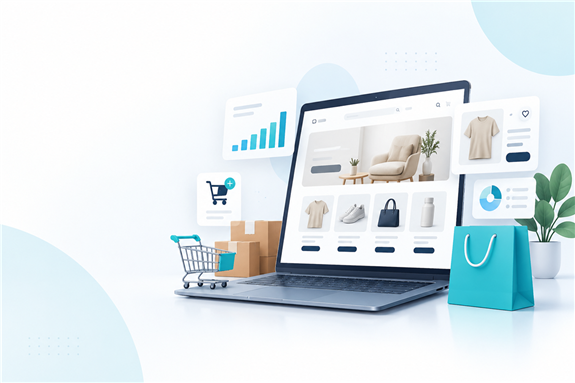
Shopify is one of the most popular platforms among entrepreneurs entering the world of e-commerce, thanks to its user-friendly infrastructure and flexible features. However, businesses looking to build a successful online store face an important question: Should you set up your Shopify store yourself, or work with a professional agency? The answer depends not only on technical knowledge but also on business goals, budget, and growth strategy.
Although opening a Shopify store and starting to sell is relatively straightforward, building a sustainable e-commerce brand requires a more comprehensive approach. Design, user experience, search engine optimization (SEO), payment systems, and digital marketing all directly influence a store's success. In this article, we explore the benefits of setting up a Shopify store yourself, the opportunities offered by professional agency support, and how to make the right decision for your business.
What Is Shopify and Why Is It Popular for E-Commerce?
Shopify is a cloud-based e-commerce platform developed to help businesses sell products and services online. It enables users to create an online store, manage products, and track orders without extensive programming knowledge. With ready-made design themes, a wide range of apps, and a centralized administration panel, it provides an accessible infrastructure for both first-time entrepreneurs and growing brands.
One of the main reasons businesses choose Shopify is that it allows them to focus more on sales and growth instead of managing technical infrastructure. Designed for businesses of different sizes, the platform offers mobile-friendly shopping experiences, product management, and marketing tools. However, getting the most out of Shopify requires proper store configuration, design tailored to the target audience, and a long-term e-commerce strategy.
How Do You Set Up a Shopify Store?
Setting up a Shopify store begins with creating an account and entering basic business information. Next, you choose a store theme, add products, organize collections, and connect a domain name. Configuring payment options, shipping settings, and store policies completes a significant part of the preparation for launch. Shopify's user-friendly admin panel makes it possible to handle most of these steps without advanced technical expertise.
However, creating a Shopify store involves much more than uploading products and publishing a website. Customers need to be able to find products easily, trust the store, and complete purchases smoothly. Navigation, product descriptions, image quality, mobile compatibility, and page content all contribute to that experience. Therefore, successful Shopify store setup requires thoughtful planning and a user-centered approach alongside technical preparation.
Advantages of Setting Up a Shopify Store Yourself
One of the main advantages of building your Shopify store yourself is the potential to reduce initial service costs. For small businesses and individual entrepreneurs entering e-commerce on a limited budget, using a ready-made theme can be a cost-effective option. Shopify's editing tools allow you to add products, create pages, and make basic design changes without hiring outside help.
Setting up your own store also helps you understand how the platform works. By directly managing everything from products to orders, you can gain greater control over your digital operations. However, it is important to remember that the time spent learning also has a cost. A do-it-yourself approach can make sense for entrepreneurs interested in technology, with limited product catalogs and relatively simple initial requirements.
Disadvantages of Setting Up a Shopify Store Yourself
Shopify's ease of use does not mean every stage of setup will be effortless. Businesses without e-commerce experience may encounter unexpected challenges in theme customization, app selection, SEO settings, and payment configuration. Small configuration issues can gradually affect user experience and limit store growth. For this reason, it is essential to pay attention not only to how the store looks but also to how it functions.
Another significant drawback is time management. When an entrepreneur spends substantial time on technical adjustments instead of product development, customer relationships, and sales, core business activities may slow down. In addition, stores built without professional design or digital marketing expertise may struggle to communicate a strong brand identity in competitive sectors. As a result, initial cost savings may not deliver the expected long-term value.
Why Is Professional Agency Support Important for Shopify Store Setup?
A professional Shopify agency approaches store setup as more than a technical task. It aims to create a comprehensive e-commerce experience by analyzing the brand's target audience, product range, competitive environment, and commercial goals. This approach helps design, content, product presentation, and user experience work together. Professional support can be especially valuable for businesses seeking to establish a strong brand identity.
Working with an agency also gives a business access to expertise across several disciplines within one project. Coordinating web design, development, SEO, content creation, and digital marketing helps ensure a more structured launch. However, not all agencies have the same Shopify experience or service offerings. Choosing the right partner is therefore just as important as deciding to seek professional support. A well-planned agency partnership can make it easier to pursue your digital growth objectives.
DIY Setup
This approach may suit businesses that want to manage initial costs, use ready-made themes, and learn how to run their store.
Professional Agency
This option suits businesses that want to plan brand identity, user experience, SEO, and growth objectives as an integrated strategy.
The Importance of User Experience in Shopify Store Design
Visitors often form their first impression of an e-commerce brand from its website design. A well-organized homepage, clear product categories, high-quality images, and intuitive navigation can create a better shopping experience. Shopify store design is therefore not simply about appearance. Its main purpose is to help customers find what they need quickly and minimize obstacles throughout the purchase process.
Professional agencies can evaluate visual consistency and functionality together. They can build a store that reflects the brand's colors, typography, and voice while also taking the mobile experience into account. Shopify's prebuilt themes may meet basic needs, but brand-specific expectations may require deeper customization. Appropriate design choices can positively affect how visitors engage with a store and the overall quality of their shopping experience.
How Does Shopify SEO Affect Store Success?
A professional-looking Shopify store matters, but you may miss growth opportunities if potential customers cannot find it through search engines. Shopify SEO aims to make product and collection pages easier for search engines to understand and improve visibility in relevant searches. Page titles, meta descriptions, original product content, category structure, and internal links are all fundamental elements. Well-structured content makes the store easier to understand for both visitors and search engines.
Businesses building their own stores can handle basic SEO settings through the Shopify admin panel. However, turning organic traffic into a long-term growth channel requires keyword research, content strategy, and regular performance reviews. An agency with SEO expertise can help establish a stronger foundation from the outset. It is important to remember that SEO does not produce instant results and no provider can guarantee specific search-engine rankings.
Important SEO consideration: Your Shopify store's organic visibility depends not only on its technical infrastructure but also on content quality, user experience, and ongoing optimization.
Shopify Store Setup Costs: DIY or Hire an Agency?
Shopify store setup costs vary according to the needs of the business and the chosen approach. With a do-it-yourself setup, the main expenses may include the Shopify subscription, domain name, premium theme, and any required apps. Starting with a standard theme and a small number of apps can help control the initial budget. However, additional apps, new features, and design improvements may create extra costs as the store grows.
Working with a professional agency requires an additional budget for setup and consulting services. In return, specialists may handle design, technical configuration, and strategic planning according to the agreed scope of work. The initial setup fee is not the only factor to consider. Time invested by the business, correction of potential mistakes, and future development needs are also part of the total cost. The right choice is the solution that delivers value aligned with business goals, rather than simply the cheapest option.
Time Management and Workflows in Shopify Store Setup
Time is one of the most valuable resources in e-commerce. Entrepreneurs setting up their own Shopify stores need to dedicate time to learning the platform and resolving issues along the way. The larger the product catalog and the more complex the design and features, the longer the process may take. For businesses entering e-commerce for the first time, managing store preparation alongside everyday operations can become demanding.
Working with a professional Shopify agency can help organize tasks more systematically. Defining requirements, planning design, preparing content, and performing technical checks from the beginning can make the process more predictable. However, agency support does not guarantee that every project will be completed quickly. Businesses must provide product details, images, and feedback on time. Clear communication and effective project management are essential to an efficient launch.
What Should You Do After Launching a Shopify Store?
Launching a Shopify store is not the end of the e-commerce journey; it is the beginning. After launch, product information must be kept current, orders monitored, and the customer experience evaluated regularly. Understanding which products visitors explore, which pages hold their attention, and where they leave the checkout process can reveal opportunities for improvement. These insights help businesses make better-informed decisions in the future.
Digital marketing is also important for sustainable store growth. SEO, social media, content marketing, and relevant advertising campaigns can help a brand reach its target audience. Nevertheless, a successful e-commerce operation should not focus solely on attracting more visitors. Customer satisfaction, repeat purchases, and brand trust are also key indicators of long-term success. Professional support may make it easier to coordinate these activities effectively.
Which Businesses Should Set Up Their Own Shopify Stores?
Setting up a Shopify store independently can be a sensible starting point for entrepreneurs who want to test e-commerce on a small scale. Businesses with a limited product range, standard design needs, and enough time to learn the technology can use the platform's built-in tools to create their stores. This approach also allows entrepreneurs to gain hands-on experience with e-commerce operations and refine their business models.
However, the decision to build a store independently should take future growth goals into account, not just current needs. A basic store may be sufficient initially, but a growing product catalog, plans to enter new markets, and changing marketing requirements can call for more extensive solutions. Businesses need to assess whether they have the resources to manage those processes themselves. Brands that start with a do-it-yourself setup can seek professional assistance as their needs evolve.
Which Businesses Should Work with a Professional Shopify Agency?
Professional Shopify agency support may be more suitable for businesses seeking a strong brand identity, a competitive e-commerce experience, and growth across digital sales channels. Brands with large product catalogs, custom design requirements, or plans to migrate an existing e-commerce store to Shopify can benefit from specialized expertise. In these projects, content planning, user experience, and operational requirements need to be considered alongside the technical setup.
Businesses planning to invest in digital marketing should also prepare their store infrastructure to support those goals. A professional agency can help build a store that accommodates SEO and digital advertising activities. What matters is not merely creating a visually impressive website but understanding commercial objectives and building a sustainable foundation. The right partnership helps businesses address today's needs while preparing for future development.
| Kriter | DIY Setup | Ajans Desteği |
|---|---|---|
| Initial cost | Generally lower | Depends on the scope of services |
| Design approach | Primarily ready-made themes | Brand-specific planning |
| Technical processes | Managed by the business | Handled with expert support |
| SEO strategy | Basic settings can be configured | A comprehensive strategy can be developed |
| Time management | Requires the business’s time | Enables task delegation |
| Best suited for | Small-scale startups | Growth-focused brands |
What Should You Look for When Choosing a Shopify Agency?
Businesses that choose professional support should carefully evaluate potential agencies. Shopify experience, previous projects, and the range of services offered are important criteria. It is particularly useful to understand the agency's approach to store design, SEO, technical development, and digital marketing. Choosing solely on price can lead to unmet expectations or additional costs during the project.
A good Shopify agency seeks to understand the business's objectives at the start of a project and develops a suitable roadmap. Clear communication, a well-defined scope of work, and agreed post-launch support arrangements are important throughout the process. Agencies participating in the Shopify Partner ecosystem can also be considered. However, partner status alone does not guarantee service quality. References, expertise, and alignment with business expectations should all be assessed together.
Professional Shopify Store Setup with IWT Digital Media Agency
A successful e-commerce store is not merely a website displaying products; it is an important sales channel that reflects a brand's digital identity. IWT Digital Media Agency, an official Shopify Partner, works to help brands build professional e-commerce experiences on Shopify. Considering brand identity, user experience, and digital visibility together helps businesses focus not just on opening a store, but on developing a digital foundation aligned with long-term goals.
Following the right strategy during Shopify store setup can make future requirements easier to manage. With IWT Digital Media Agency, you can access professional support to create a Shopify store tailored to your business goals, product range, and brand identity. Whether you are just entering e-commerce or improving an existing online store, sound planning lays the groundwork for a strong online shopping experience.
Should You Set Up Your Shopify Store Yourself or Work with an Agency?
There is no single right approach to Shopify store setup for every business. Entrepreneurs who build their own stores can keep initial costs under control and learn e-commerce processes firsthand. Businesses working with a professional agency can benefit from expert support in design, technical configuration, user experience, and digital growth planning. The better option depends on the brand's current needs, budget, and future objectives.
The goal is not simply to open a Shopify store, but to build a digital sales channel where customers can shop confidently and that can support business growth. A do-it-yourself approach may be enough for a small-scale launch, while professional agency support can become a more strategic investment in competitive markets. When deciding how to set up your Shopify store, consider your current budget, available time, and where you want your business to go. A strong e-commerce brand begins with a well-planned start.



Do Comment