
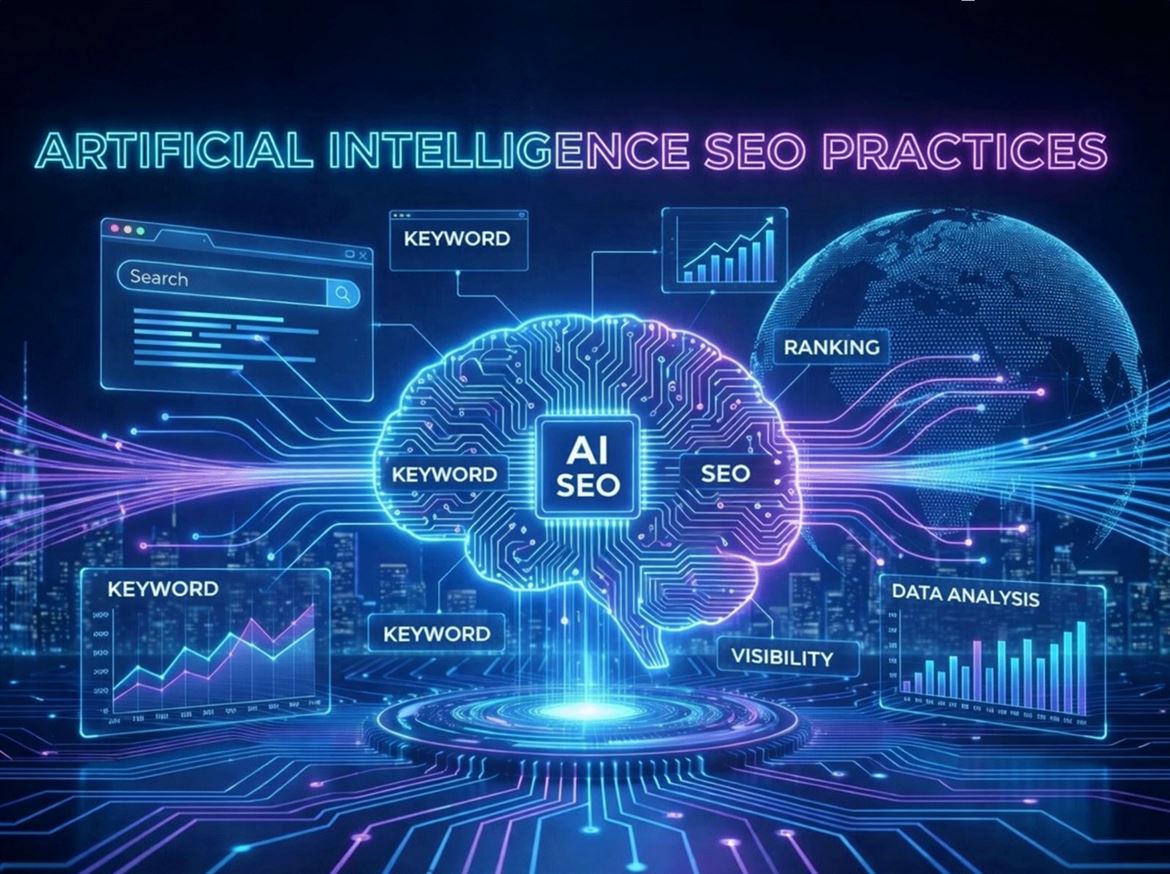
SEO for AI is the process of ensuring that your brand or content is shown as a direct source within the answers that large language models and generative search engines provide to user questions. Unlike traditional search engine optimization, the primary goal here is not only to rank higher, but to become part of the AI’s direct answer. This strategy requires structuring your brand authority and digital presence in a semantic way that next-generation algorithms can understand.
As user habits change rapidly, the information-seeking journey is moving away from classic lists of links and turning into a chat-based, results-driven experience. In this new ecosystem, algorithms focus less on keyword repetition and more on the contextual depth, accuracy, and subject-matter expertise of the content. It is not enough for your content to be crawlable; it must also be logically processable by complex language models and deemed trustworthy.
For a successful optimization effort, structured data usage, sentence constructions that contain clear and definitive answers, and mentions of your brand in authoritative external sources are critically important. AI systems do not like complexity and ambiguity, so presenting verifiable data in a logical flow positions you among recommended sources. Introducing your brand to these systems is a multi-dimensional effort that includes digital reputation management as well as technical infrastructure.
What Exactly Is AI-Focused SEO (GEO)?
AI-Focused SEO, or by its technical name Generative Engine Optimization, is a next-generation optimization process that enables brands and content to be visible in AI-based search engines. The goal is no longer just to rank higher on search engine results pages, but to appear as a referenced source within the direct answers produced by generative AI models. This process goes beyond keyword work and requires presenting the context, accuracy, and authority of your content in a language that algorithms can understand.
Unlike classic search engine optimization, this new approach focuses on semantic coherence rather than word matching. When large language models scan a topic, they do not merely index information; they also analyze its reliability and its relationships to other concepts. Therefore, for your digital presence to be noticed by these systems, the data you provide must be consistent, provable, and deep enough to fully satisfy user intent.
In this ecosystem, gaining visibility depends on expanding your digital footprint across trustworthy platforms. When forming an answer, AI systems need to validate information and therefore prioritize sources recognized as authoritative in their fields. Alongside improving your site’s technical structure, being mentioned in reputable industry channels and producing content that proves your expertise helps algorithms label you as a reliable information source.
The search experience of the future is built on users receiving clear and compiled answers to complex questions within seconds. Preparing your content with clear, structured data markups creates a major advantage in this new order. Ultimately, this work aims to protect and strengthen your brand’s presence in the digital world by aligning fully with how technology processes and presents information.
Critical Differences Between Traditional SEO and AI Optimization
For years, search engine optimization was seen as a mathematical game built on keywords and link counts. However, with the AI revolution, this equation has completely changed, and the focus has shifted from technical signals to the accuracy, context, and trustworthiness of information. While classic methods aim to move you to the top of a search results list, next-generation optimization aims to become the answer itself. This transformation makes it necessary to redesign your strategies not only for robotic algorithms, but also for advanced intelligence models that seek meaning.
The key differences between the two approaches can be summarized as follows:
- Focus Area: Traditional methods focus on repetition and placement of specific keywords, while AI optimization values the full scope of the topic and its semantic depth.
- Success Metric: Where click-through rates and site traffic used to be the primary indicators of success, the main objective now is for the brand name to appear as a source or reference within the generated answer.
- Content Structure: While the classic approach can sometimes tolerate long and scattered texts, new systems prefer information that is clear, verifiable, supported by statistics, and presented with structured data.
- Competitive Landscape: Competing among ten blue links in search results is outdated; now the goal is to become part of a single final answer or to be included among a limited set of recommended sources.
- User Intent: The old system looked at what the user typed, whereas new models analyze what the user is actually trying to accomplish and what they will need as a next step.
This separation between the two disciplines represents a sharp turn in the evolution of digital marketing strategies. Rather than settling for technical improvements alone, positioning your brand as a trusted information source in the industry is no longer a preference—it is an inevitable path. As algorithms advance, the winners will not be those who try to manipulate the system, but the authorities that best understand user intent and present the most accurate information in the clearest form.
Strategic Steps to Move Your Brand Into AI Recommendations
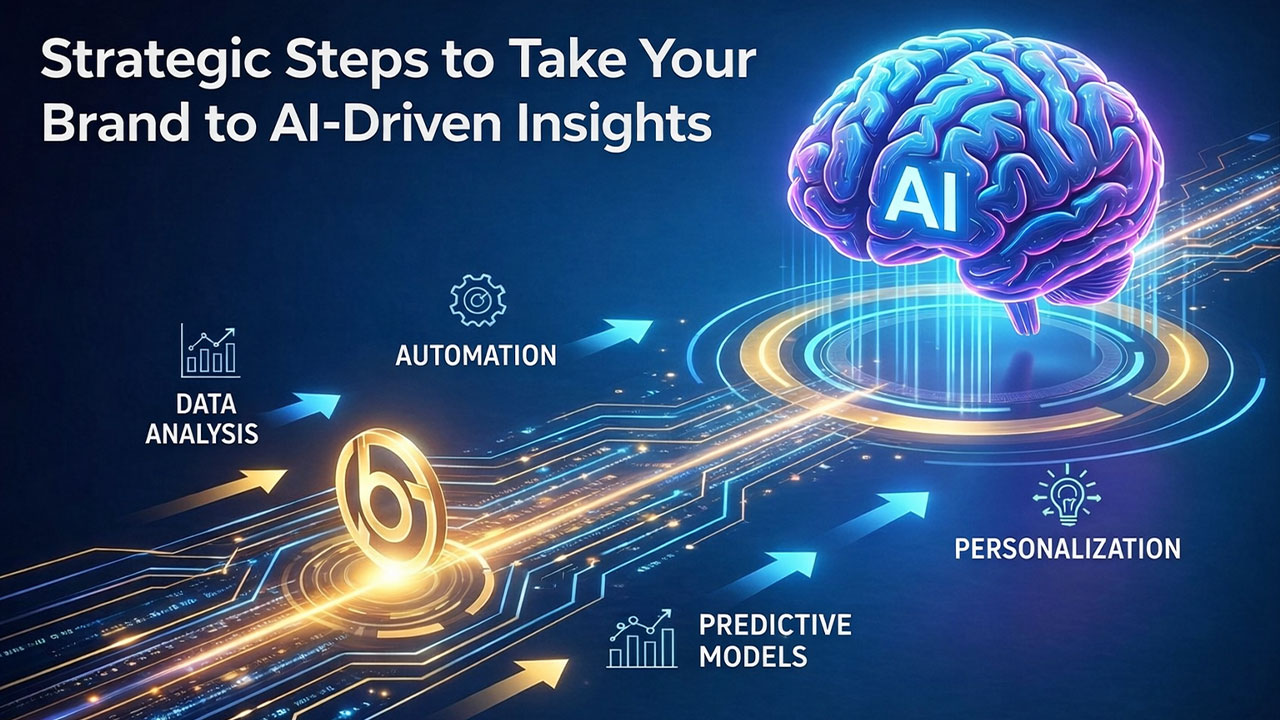
Having AI systems recognize your brand as an authority and recommend it to users is not a matter of luck. This process requires deliberate work that enables your digital assets to be easily crawled, understood, and most importantly trusted by machine learning models. As algorithms scan billions of data points on the internet, they look not only at popularity, but also at the consistency of information and how often sources validate one another. Therefore, you must build your strategy not only around your own website, but around reputation management that extends across the entire digital ecosystem.
The core areas you should focus on to align brand visibility with next-generation algorithms are as follows:
- Digital Reference and Citation Management: Ensure your brand is mentioned in industry reports, news sites, or trustworthy blogs. AI favors external validation and confirms you through these references.
- Structured Data Markup: Use Schema.org implementations completely so search engines can clearly understand your content. This effectively provides machines with an ID card for your content.
- Niche Expertise and Depth: Instead of generic information, provide data-driven, in-depth solutions to complex problems in your industry. Algorithms prefer specialized expertise over broad generalities.
- Natural-Language Q&A Structure: Anticipate questions users ask conversationally and answer them with clear, short, and definitive paragraphs.
- Multimodal Content Optimization: Prepare detailed image alt text and video transcripts so non-text content also becomes readable and interpretable for algorithms.
Applying these steps consistently turns your brand into an indispensable reference point not only in today’s search results, but also in tomorrow’s voice assistants and chatbots. The clearer and more consistent you make your digital footprint, the faster AI models adopt you and present you to users as a solution partner. As technology evolves, the only rule that does not change is that reliable, well-structured information will always remain the most valuable currency.
Digital Authority and Trustworthiness: The New Role of E-E-A-T Criteria
In the digital world, the concept of trust has transformed with the AI revolution, making E-E-A-T criteria more critical than ever. Principles of experience, expertise, authoritativeness, and trustworthiness—once mainly affecting ranking in search results—now function as a primary filter that determines whether you enter the information pool of generative models. As large language models process billions of data points, they analyze source identity and historical accuracy, referencing only content built on solid foundations.
In an era where automatically generated text fills the internet, real human experience and provable expertise have become more valuable than gold in the eyes of algorithms. Rather than explaining a topic only theoretically, presenting lived experience and deep analysis differentiates content from ordinary data piles. Because AI systems quickly eliminate copied or superficial information, ensuring that every piece of information your brand provides carries the signature of a real expert is one of the most effective ways to protect your digital presence.
Trustworthiness acts as the keystone at the center of this entire structure, enabling your brand to be certified as an information authority. Transparent imprint details on your site, strong references from external sources, and your industry reputation help AI label you as a verified source. For those who want to exist in the search experience of the future, fully aligning with these criteria is not just a ranking strategy—it is also a matter of digital survival.
Why Is Structured Data More Important Than Ever?
Structured data markups translate your website’s content into a universal machine language that search engines and AI models can understand. These code structures, once used mainly to obtain rich snippets or star ratings in search results, have now become a technical necessity for large language models to interpret content context without error. Algorithms do not like uncertainty when scanning a text; therefore, information clearly tagged using standards such as Schema.org is always treated as more prioritized and processable data than raw blocks of text.
This technical foundation, which strengthens the connection between knowledge graphs and semantic networks, defines your brand’s digital assets as entities and helps you secure a lasting place in AI memory. Defining every detail in code—from author and publication date to product price and service area—makes it much easier for systems to match you with the right user queries and related topics. Remaining competitive in the search world of the future is possible not only by producing high-quality content, but by presenting that content in the format machines can consume most easily.
Being Referenced in Models Like ChatGPT and Google Gemini
Being shown as a direct source in the results of large language models means your brand’s trustworthiness is certified at the highest level in the digital world. These AI systems do not only scan their own databases when generating answers; they also perform real-time validation using up-to-date, high-authority sources across the internet. The core rule for visibility on platforms like ChatGPT or Google Gemini is that your content is frequently mentioned in the most trustworthy corners of the internet—namely news sites, academic papers, or platforms regarded as industry leaders. Before citing a brand, algorithms analyze how strongly that brand is endorsed by other authorities and cross-check the accuracy of the information.
To enter reference lists, the content you produce must function as the definitive source that solves a single problem in the most comprehensive way. Instead of presenting information in fragments or superficially, creating holistic guides that bring all details, data, and contextual relationships under one roof increases your chances. When seeking answers to complex queries, models prefer structures that cover the topic from A to Z and leave no logical gaps over scattered data. Therefore, equipping your digital footprint—not only on your own site but across the entire ecosystem—with consistent and verifiable information is the most critical factor that enables these next-generation assistants to choose you as a trusted knowledge partner.



Do Comment