
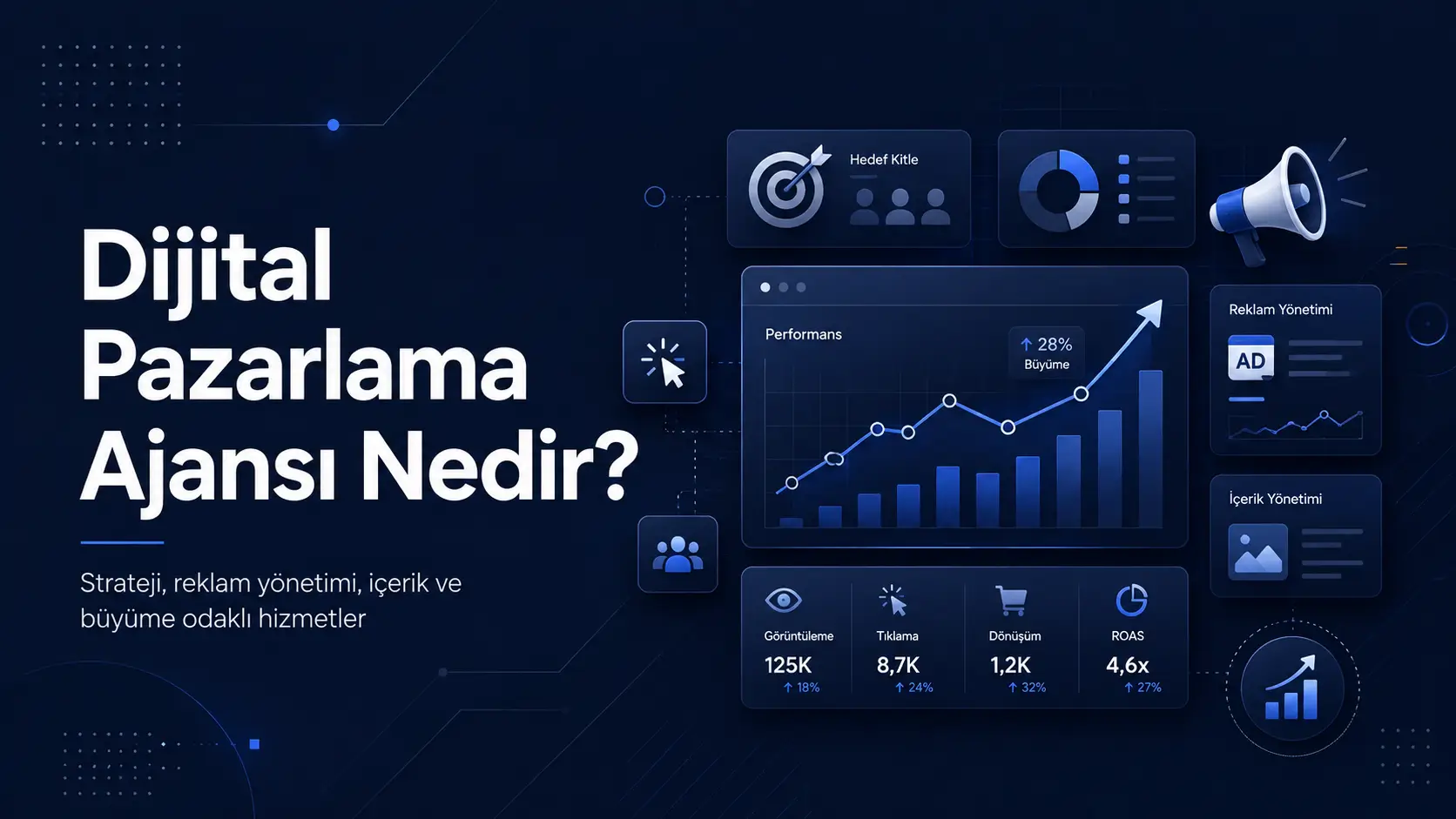
A digital marketing agency is a professional service company that plans and manages a brand’s online visibility, advertising investment, and sales process from a single point. It brings together different areas of expertise such as search engine optimization, advertising campaigns, social media management, content production, website performance, and measurement under one strategy. It provides roles such as SEO specialists, advertising specialists, designers, developers, and content writers as a team, which would otherwise be costly for a business to employ separately in-house.
An agency’s job is not limited to running ads or publishing posts. Its main task is to identify where the brand’s target audience spends time online, deliver the right message through those channels with the right budget, and report the results with measurable data. In other words, the process is not based on guesswork but on data-driven management.
What Does a Digital Marketing Agency Do?
An agency’s priorities vary depending on the industry and maturity level of the brand it works with. For a newly established e-commerce brand, the priority may be traffic and brand awareness, while for a ten-year-old industrial company it may be qualified quotation requests. Even so, there are common areas that almost every agency works on.
The scope of services generally includes the following areas:
- Search engine optimization: Improving organic rankings by working on the website’s technical infrastructure, content structure, and authority. For more information, you can review the SEO services page.
- Advertising management: Campaign setup, budget allocation, and optimization across platforms such as Google, Meta, LinkedIn, TikTok, and YouTube. In online advertising, Google Ads is still one of the most widely preferred channels.
- Social media management: Content planning, design production, community management, and engagement analysis.
- Content production: Blog posts, category copy, product descriptions, and all written materials that reflect the brand’s tone of voice.
- Website and interface improvements: Speed, mobile compatibility, user flow, and design improvements.
- Measurement and reporting: Analytics setup, conversion tracking, and regular performance reporting.
Not all of these areas are activated at the same time. A good agency first determines which area is most likely to generate the fastest return and directs the budget accordingly. An agency that sets the right priorities can achieve much higher efficiency with the same budget.
How Does a Digital Marketing Agency Work?
The process almost always starts with analysis. The agency reviews the brand’s existing website, search visibility, advertising history, and competitors. The picture that emerges at this stage is often different from the company’s own assumptions; for example, what appears to be a traffic problem may actually be a conversion problem.
After the analysis, the strategy is built. The target audience is defined, channels are selected, the budget is allocated, and measurable goals are set. Instead of a vague statement such as "let’s increase sales," a clear target such as "let’s double the number of forms generated through organic traffic within six months" is established. The digital marketing strategy document prepared at this stage provides the framework for all subsequent work.
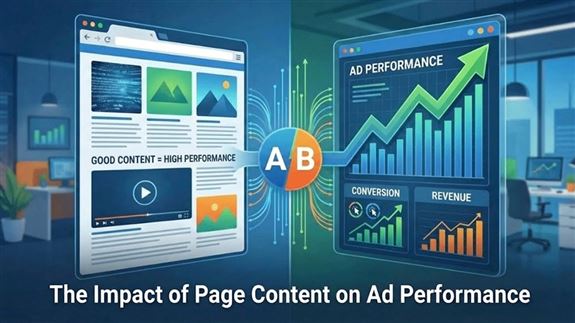
During implementation, teams work in parallel. While the SEO team handles content and technical improvements, the advertising team launches campaigns and the design team prepares visual assets. One of the most common mistakes is allowing these areas to operate without coordination. If the landing page for paid traffic is weak, the advertising budget is wasted.
The final step is measurement and improvement. Campaigns are not simply left running; they are continuously revised. Monthly reports answer questions such as which keywords generate conversions, which ad groups waste budget, and which pages cause visitors to leave. As long as this cycle continues, performance can keep improving.
How Is It Different from a Traditional Advertising Agency?
Traditional agencies are built around television, radio, outdoor advertising, and print media. The biggest limitation of these channels is that they are difficult to measure precisely. The number of people who see a billboard can be estimated, but it is almost impossible to know how many of them made a purchase because of that advertisement.
On the digital side, the situation is the opposite. How many people saw the ad, how many clicked it, how many of those visitors added a product to the cart, reached the checkout page, and completed a purchase can all be tracked. This transparency is a major advantage for businesses that want to see exactly where their budget is going.
The second difference is speed. Preparing a traditional campaign can take weeks, and changing it after launch can be very difficult. In digital marketing, a headline can be changed the same day and an underperforming campaign can be paused within hours. This flexibility also allows brands with smaller budgets to compete.
Why Do Businesses Prefer to Work with an Agency?
The most commonly cited reason is cost. The monthly expense of employing an SEO specialist, an advertising specialist, a graphic designer, and a content writer full-time is much higher than an agency fee for many SMEs. With the agency model, access to this expertise is purchased according to the level of need.
The second reason is experience. Agencies manage dozens of projects across different industries at the same time. This allows approaches that work in one sector to be adapted quickly to another. An in-house marketer working alone cannot usually access such a broad pool of observations.
The third reason is tools and infrastructure. Annual license fees for competitor analysis, keyword research, ranking tracking, and reporting software can become significant. Because agencies use these tools across multiple clients, the entire cost does not fall on a single brand.
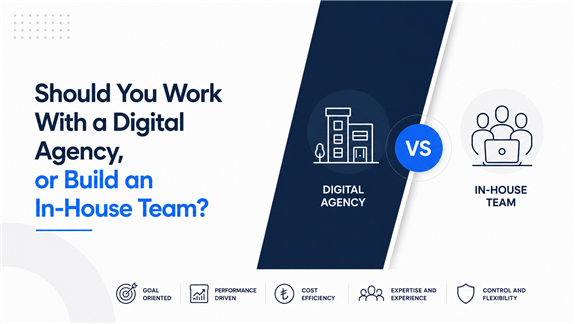
There is also the issue of time. While the business owner focuses on growing the company, they do not have to spend time entering advertising platforms and adjusting bids. For a more detailed comparison, the article on whether to work with a digital agency or build an in-house team compares the two models with figures.
Types of Digital Marketing Agencies
Agencies in the market are not all the same. Full-service agencies manage the entire process in-house, from strategy and design to software development and advertising. They are suitable for brands that want to work with a single partner and activate multiple channels at the same time.
Boutique agencies specialize deeply in a single area. Agencies focused only on SEO, performance advertising, or social media management fall into this category. They can deliver strong results in their specialty, but a separate provider may be needed for other channels.
The third group consists of agencies focused on a specific industry. Agencies specializing in healthcare, law, tourism, or e-commerce shorten the learning curve because they already understand the regulations and customer behavior in that sector. This experience can save considerable time, especially in industries with advertising restrictions.
What Should You Consider When Choosing an Agency?
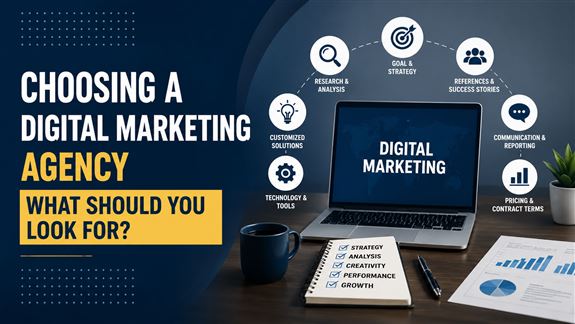
Finding the right agency makes a greater difference than many brands expect. A poor choice means not only wasted budget but also lost months. During the evaluation stage, it is useful to clarify the following points:
- Previous work and references: Do the examples provided include real figures, or are they only visual presentations?
- Reporting process: How often will reports be delivered, which metrics will be included, and who will present them?
- Team structure: Is the person selling the service also the person doing the work, and who will be assigned to the project?
- Contract terms: What are the duration, termination conditions, and account ownership terms?
- Account and data access: Are the advertising accounts, analytics data, and domain owned by the brand?
- Promised results: Guarantees such as "number one ranking in one month" should be considered a serious warning sign.
Discussing these points from the beginning prevents many potential disagreements in the following months. You can find more details in the article about what to consider when choosing a digital marketing agency.
How Are Agency Services Priced?
Pricing models in the industry generally fall into three main categories. A fixed monthly retainer is the most common: a set fee is paid for a defined service package and the process is managed over the long term. Ongoing services such as SEO, social media, and content production are usually handled with this model.
Project-based pricing is used for work with a clearly defined beginning and end. Website redesigns, corporate identity projects, or one-off campaign setups fall into this category. In the third model, performance-based pricing, the fee is linked to the number of sales or leads generated.
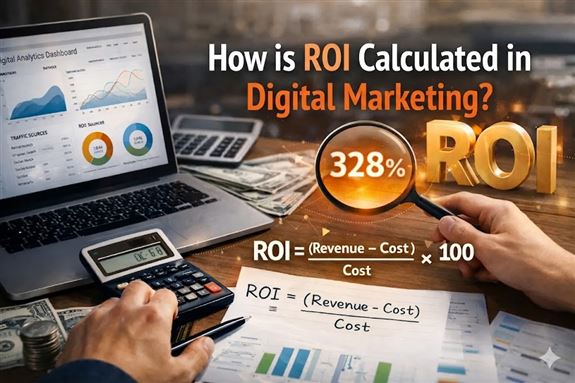
Looking only at the agency fee when setting a budget can be misleading. Advertising spend, software licenses, and production costs should also be taken into account. To measure return on investment, the formulas in the article on how to calculate ROI in digital marketing provide a good starting point. Those who want to review current ranges by service can consult the SEO pricing page.
Expected Results and Timelines When Working with an Agency
The time required to see results in digital marketing varies by channel. Advertising campaigns start generating data within a few days, and the first optimizations can usually be made in the second week. SEO efforts, on the other hand, generally become more visible from the third month onward, and in highly competitive industries this period may extend to six months.
Setting realistic expectations is essential for a healthy working relationship. The first month is usually focused on setup and corrections: technical issues are resolved, measurement infrastructure is established, and the content plan is prepared. Expecting major ranking changes during this period is generally unrealistic.
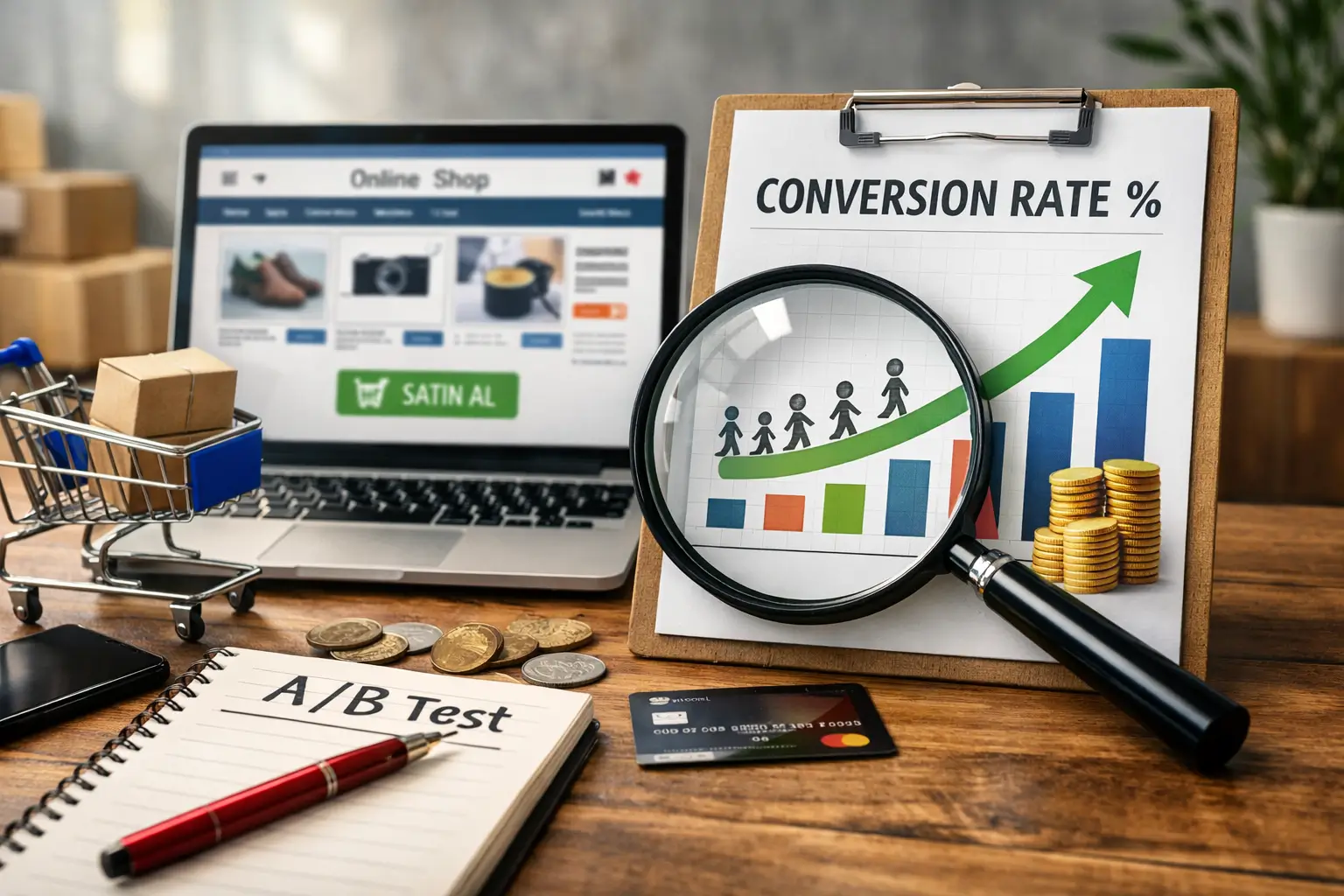
As the process progresses, the focus shifts from traffic volume to conversion quality. If visitor numbers increase but sales do not, the problem is often related to the website itself. At this point, conversion rate optimization and advanced analytics come into play.
In short, a digital marketing agency is a business partner that brings all of a brand’s online touchpoints together under a single plan and makes the results of that plan measurable. A long-term relationship with the right agency can influence far more than the size of the budget.
Frequently Asked Questions
What exactly does a digital marketing agency do?
It plans, implements, and measures all of a brand’s online promotion and sales activities. This includes SEO, advertising management, social media, content production, website improvements, and reporting. Because all activities are managed under a single strategy, the channels support one another.
What is the difference between a digital marketing agency and an advertising agency?
Advertising agencies mainly work with television, outdoor, and print media, where measurement is limited. A digital marketing agency can track the entire journey, including impressions, clicks, add-to-cart actions, and sales, so it can show the return on budget with measurable figures. Campaigns can also be revised during the day.
Do small businesses need a digital marketing agency?
With smaller budgets, there is less room for error, so professional management can make a greater difference. The agency model provides access to specialized expertise without building a full-time marketing team. For businesses with limited budgets, starting with one channel and expanding the scope as results improve is often a more sustainable approach.
How long does it take to see results when working with an agency?
Advertising campaigns begin generating data within a few days, and the first optimizations can usually be made within two weeks. With SEO, the impact generally becomes more visible from the third month onward, and in highly competitive industries this period may extend to six months. The first month is usually spent on setup, measurement infrastructure, and technical corrections.
What determines digital marketing agency pricing?
Pricing varies depending on the scope of services, competition in the industry, the duration of the engagement, and the size of the team assigned to the project. Three models are common in the industry: a fixed monthly retainer, project-based fees, and performance-based pricing. When planning the budget, advertising spend and production costs should be considered in addition to the agency fee.
What questions should you ask when choosing an agency?
You should clarify who will work on the project, how often reporting will be provided and which metrics will be used, the contract duration and termination terms, and who will retain ownership of the advertising accounts. Offers that guarantee a number-one ranking in a short time should be evaluated carefully.
Who should own the advertising accounts when working with an agency?
Advertising accounts, analytics data, and the domain should remain the property of the brand. The recommended approach is to grant the agency only the necessary management access. This ensures that historical data, campaign learnings, and audience lists remain with the brand when the partnership ends.

















Do Comment